Mining
Next-generation ASICs deliver narrower efficiency gains, extending hardware cycles
Improvements per watt have slowed to single digits, which is changing when operators choose to replace fleets.
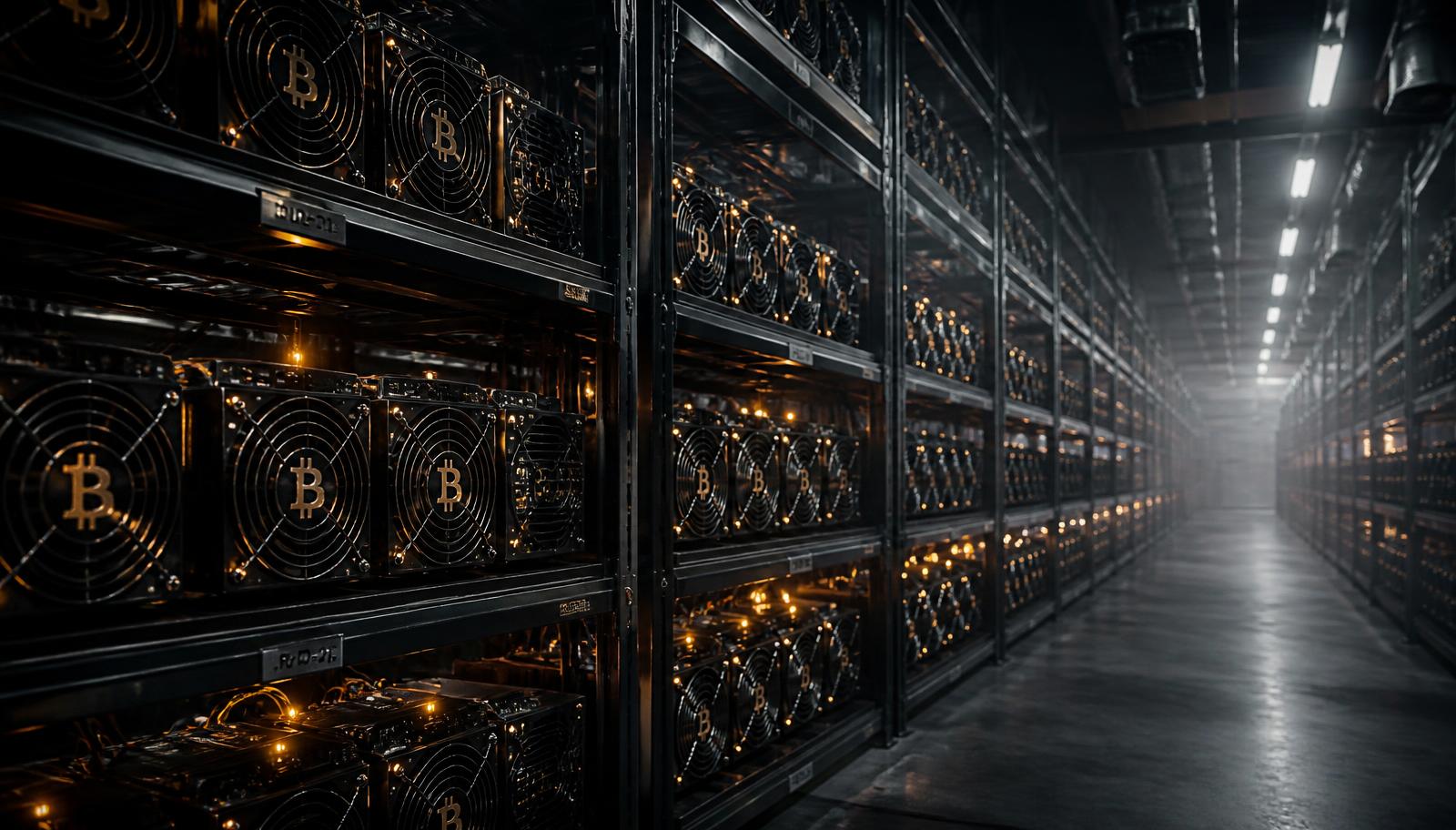
The latest generation of mining chips offers a smaller efficiency improvement over its predecessor than any release in recent years, according to manufacturer specifications and independent bench testing.
Gains per watt have compressed as designs approach the practical limits of current process nodes, and the remaining improvements come increasingly from packaging and cooling rather than silicon.
The consequence for operators is a longer economic life for installed machines. Fleets that would previously have been replaced on a three-year cycle are now running four or more years where power costs are low.
That changes financing. Equipment-backed lending assumed rapid obsolescence and priced accordingly; slower depreciation supports better terms but also leaves more old hardware competing for the same block rewards.
Immersion and hydro cooling are the clearest sources of remaining headroom, allowing higher clock speeds within the same thermal envelope at the cost of more complex site engineering.
Manufacturers are guiding customers toward retrofits rather than replacements, a shift that reflects both the technical ceiling and softer order books.
Disclosure: BitcoinsInvestments.com publishes news and analysis only. Nothing in this article is investment advice or a recommendation to buy or sell any asset.